
Constipation in children
Constipation is a very very common problem in children and adolescents and can cause hard or painful stools, infrequent bowel movements, abdominal pain, bloating, or stool withholding. It is especially common during toilet training and in school aged children. In children, defining constipation simply by passing hard stools is not possible since there are a lot of subtle signs. Constipation in children is different than adults.
What causes constipation?
In most children, constipation is not organic, meaning there is no underlying structural disease. Common triggers include poor lifestyle factors like:
- Low intake of water and dietary fibre
- Excessive milk or processed foods
- Painful bowel movements leading to stool withholding
- Toilet training difficulties
- Changes in routine, school, or travel
Occasionally but not uncommon, constipation may be related to organic conditions such as Hirschsprung disease, hypothyroidism, celiac disease, or other medical disorders like colonic dysmotility, colonic pseudo obstruction syndrome, especially when symptoms begin very early or are associated with warning signs like poor weight gain, repeated episodes of vomiting, abdominal distension, rectal bleeding etc. Very rare causes of refractory constipation are Acute intermittent porphyria, disseminated tuberculosis, colonic mass etc.
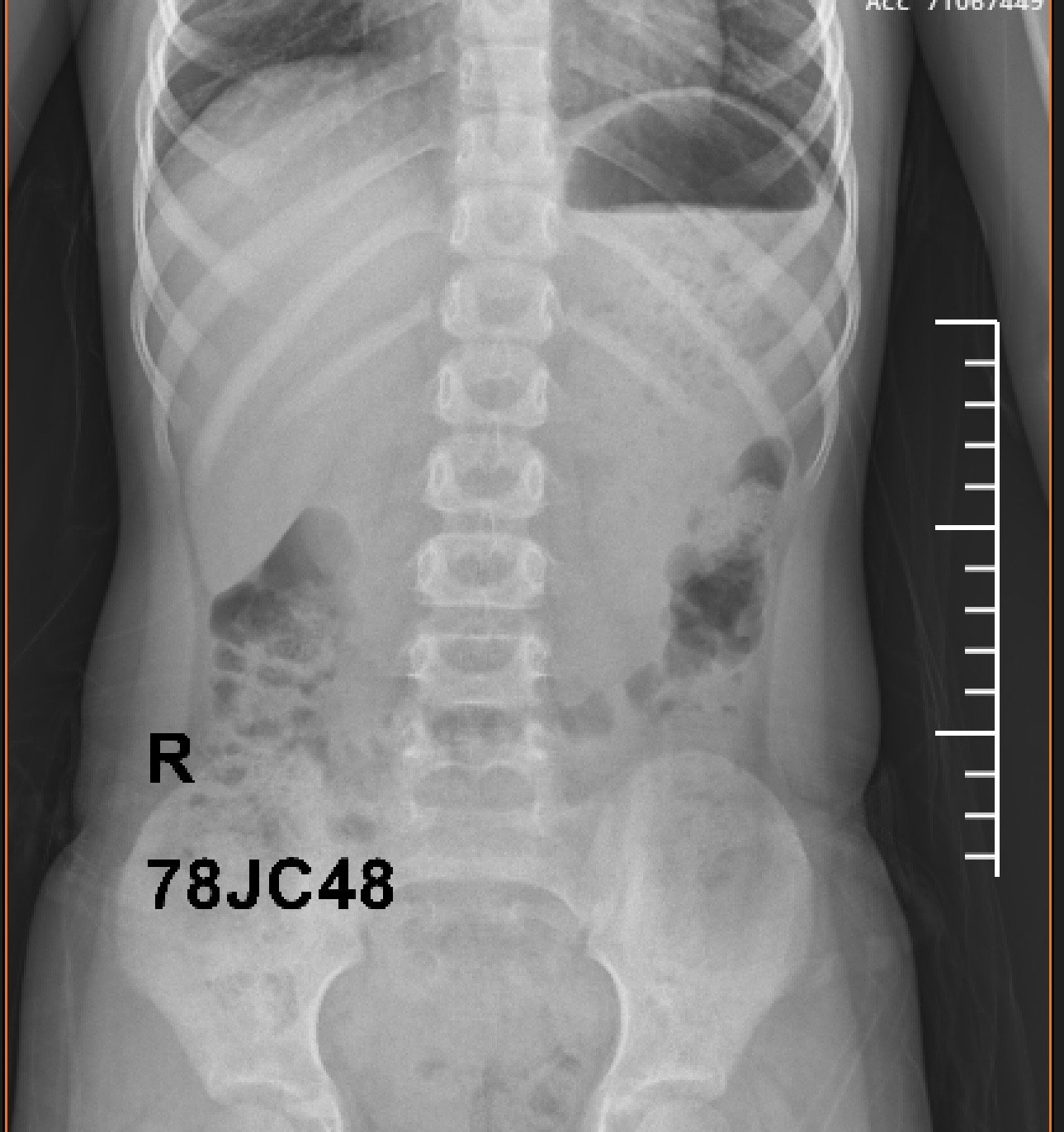
The image below shows an X ray abdomen erect with fecal loading indicative of constipation.
Screenshot
When should you see a pediatric gastroenterologist?
Medical evaluation is recommended if constipation is persistent and severe, or associated with:
- Blood in the stool
- Significant abdominal pain or vomiting
- Poor weight gain or growth
- Abdominal distension
- Stool accidents or soiling
- Constipation beginning in the first few weeks of life
- Failure to pass meconium within the first 24–48 hours after birth
How is constipation treated?
Treatment depends on the severity and duration of constipation and primarily based on the etiology. It may include dietary and lifestyle changes, establishing regular toilet habits as per the age of the child, and medications such as polyethylene glycol (PEG) which is a wonderful drug for constipation in children. Children with significant stool retention may first need PEG disimpaction before maintenance treatment and the overall treatment may last as long as 6-9 months depending on the adherence to lifestyle modification and management of the primary disease.
The goal is not simply to make the child pass stool every day, but to achieve soft, painless stools and prevent recurrence. If your child has ongoing constipation, early evaluation can prevent the problem from becoming chronic and affecting their daily life as this is a growing age and child needs good gut health to provide nutrition to the body.
Dr Vipul Gautam is an expert pediatric gastroenterologist in vasant kunj and saket region to manage these conditions. For such cases of constipation, families need nutritional and lifestyle modifications counselling and monitored management by a pediatric gastroenterologist. At Dr Vipul Gautam clinic, family centered management and information are provided as managing childhood constipation is not complete without counselling the parents and family about the dietary changes.