
Pediatric Liver Transplantation: The general information for parents and families
Liver transplantation (LT) is a life saving treatment for children and adolescents with advanced or irreversible end stage liver disease. It may be required in conditions such as biliary atresia, genetic intrahepatic cholestasis / other genetic liver diseases, metabolic disorders, acute liver failure and decompensated cirrhosis. For families, the process can seem overwhelming, but careful preparation and a coordinated transplant team can make the journey more structured and manageable.
Liver Transplant in children is not a job of one doctor. It takes a team of transplant experts / specialists to manage the child in peri-operative period which includes a team of liver transplant surgeons, pediatric hepatologist, pediatic anaesthetists, intensivists, radiologist, cardiologist, pulmonologist and physiotherapists. Nursing care is the most important part after surgery is done as children need warm care like at home.
Pre-Transplant Evaluation and Optimisation
Before LT, the child undergoes a detailed pre-transplant evaluation which includes blood tests, Imaging, DNA testing and multidisciplinary clearances. This includes assessment of liver function, nutrition, growth, infections, heart and lung function, blood group and other factors that may affect transplantation.
Nutritional counselling and targeted optimisation is particularly important in children, as chronic liver disease can lead to poor weight gain and growth; also affecting developmental milestones. Any active infection, electrolyte abnormality or other complication/co-morbidity is addressed before surgery which is indispensable.
Parent Counselling and Family-Centred Care
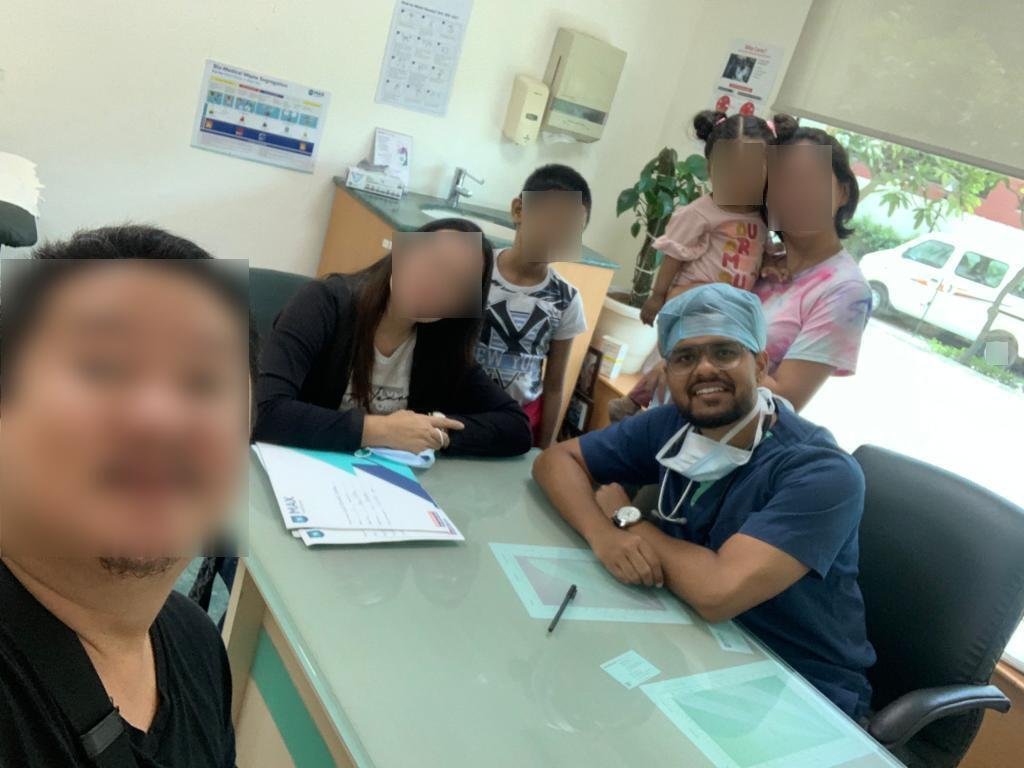
Parents play an important role throughout the transplant journey. Counselling begins well before surgery and includes an explanation of the child’s liver disease, the need for transplantation, available treatment options, potential risks and expected outcomes. The parents find it quite hard to understand that the child has such a major disease and there is a need for liver transplant. For them everything sounds not real and that is where the importance of family centred counselling come into the picture.
Families are also counselled about the transplant process, hospital stay, medications, nutrition, infection prevention and long-term follow-up. Clear communication helps parents understand what to expect and allows them to participate actively in their child’s care. Acceptance of the severity of clinical condition and the expected outcomes after child’ liver transplant is most important.
Pediatric LT is best approached as family-centred care, where the child and family remain an integral part of the transplant team. Emotional and practical support for parents and siblings is also important, particularly during prolonged hospitalisation.
Living Donor Liver Transplantation in Children in India
Living donor liver transplantation (LDLT) is commonly performed in children, particularly because a suitable portion of a healthy adult liver can be transplanted into a small child. India primarily relies on living donors as deceased donors are not readily available unlike western countries. During the process of management, child is listed for deceased donor liver transplantation (DDLT) (as per the national policy) so that if liver is available, it can be offered to the child. But in case DDLT is not available when needed, clinicians have to take the option of LDLT.
A potential donor, often a parent or close family member, undergoes a detailed medical and psychological evaluation. The assessment includes overall health, liver function, blood group, liver anatomy and imaging to determine whether donation can be performed safely. There is a list of tests that are performed to check the fitness of the donor. Donor safety is of the utmost importance in LDLT. The donor and family are counselled about the procedure, potential complications, recovery period and the importance of making a voluntary and informed decision.
The Liver Transplant Surgery
During the transplant surgery, the diseased liver is removed and replaced with the donor liver graft. In small children, careful selection and tailoring of the graft size is particularly important. This surgery is quite prolonged and may take up to 10-12 hours.
The blood vessels and bile duct of the graft are connected to the child’s circulation and biliary system. The surgery requires close coordination between transplant surgeons, pediatric hepatologists, anesthetists, intensivists and other members of the transplant team.
Care After Liver Transplantation
After surgery, the child is cared for in the intensive care unit (Pediatric ICU / Transplant ICU). The initial period focuses on monitoring hemodynamic parameters, liver function, blood flow to the graft, bleeding, infections, kidney function and other postoperative complications.
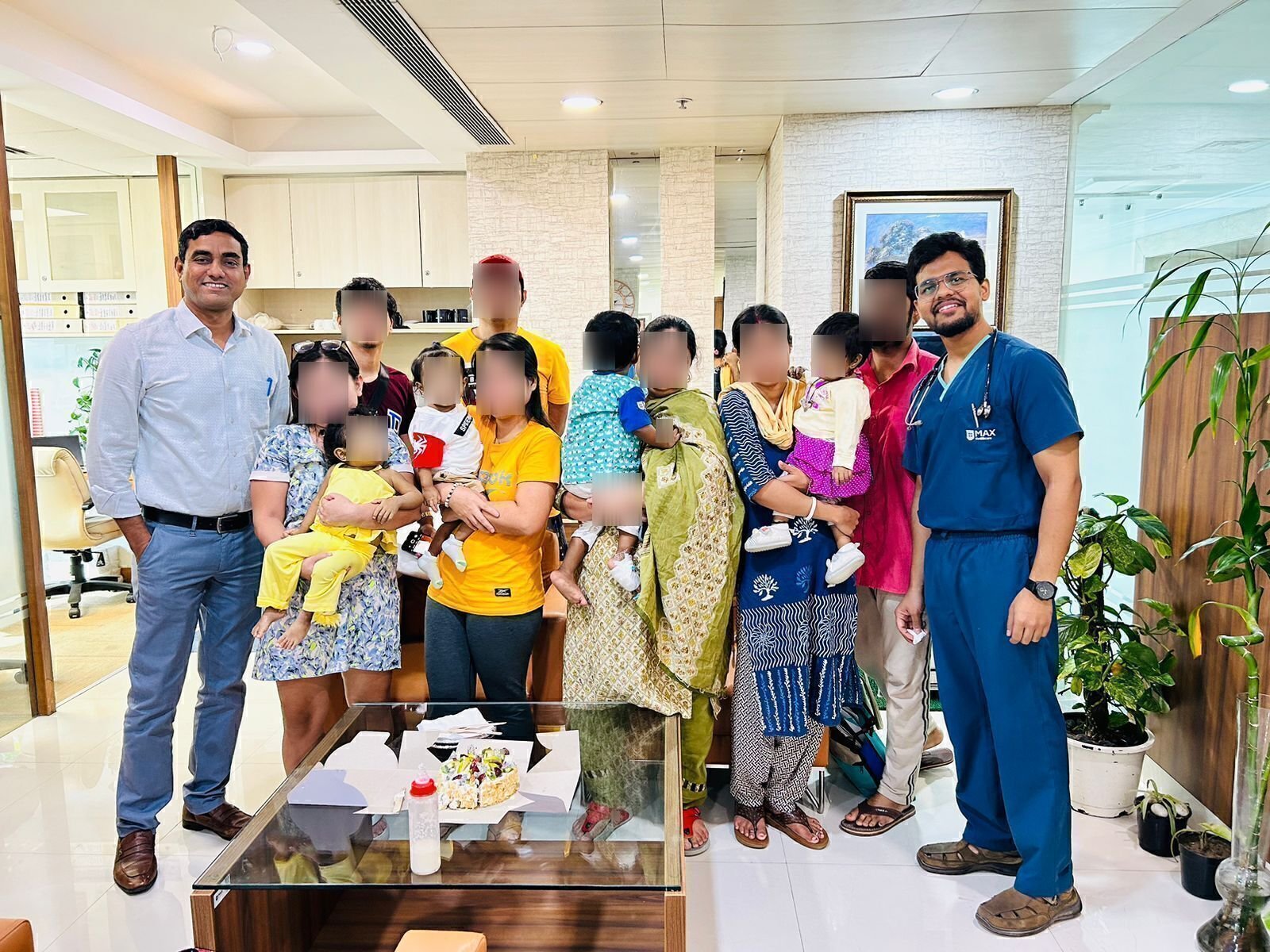
As the child improves, feeding, mobilisation and routine care are gradually increased. The duration of ICU and hospital stay varies depending on the child’s condition, age, nutritional status and postoperative course. Parents are encouraged to remain involved in daily care as the child recovers and as per the ICU protocol, they are often allowed to stay with the child in the ICU room especially to promote breast feeding and maternal care. After initial stabilisation, child is shifted to ward and nurses involve parents and family members in the care of the child. When all the clinical and biochemical parameters are improved, child is discussed in multidisciplinary meeting and planned for discharge. Before discharge, the family is taught in a detailed session about medicines, feeding, hygiene, warning signs and follow-up requirements. Pediatric hepatologist take up the charge for follow up and post-surgery medicines.
Immunosuppression After Liver Transplant
Immunosuppression is an essential part of life after liver transplantation. Medicines such as tacrolimus, mycophenolate mofetil and corticosteroids may be used to prevent the child’s immune system from rejecting the transplanted liver.
The doses are adjusted regularly according to drug levels, liver function and the child’s clinical condition. Generally for the initial 3 months when the risk of rejection is high, higher immunosuppression is maintained. Gradually immunosuppression medicine doses are reduced and after 6 months most of the other supportive medicines are stopped. Regular monitoring is important because both rejection and excessive immunosuppression can cause problems.
Long-Term Follow-Up
Follow-up continues long after the child leaves the hospital. Regular visits are required to monitor liver function, growth, nutrition, blood pressure, kidney function, immunosuppressive drug levels and vaccination status.
Parents are also advised to watch for symptoms such as fever, jaundice, vomiting, poor appetite or unusual tiredness and report them promptly to the transplant team.
Long-Term Outcomes After Pediatric Liver Transplant
With advances in surgical techniques, better infrastructure, expertise, improved immunosuppression and long-term transplant care, many children who undergo liver transplantation can have good long-term outcomes including catch-up growth and development. They can return to school, participate in physical activities and enjoy a good quality of life. They can resume normal schools like other children.
Long-term care remains important because complications such as rejection, infections, biliary or vascular problems, medication-related effects and growth or developmental concerns may occur and that is why regular follow up visits are advised. Clinicians often stay in the contact with the families via online channels like whatsapp, gmail etc. for rapid resolution of their queries.
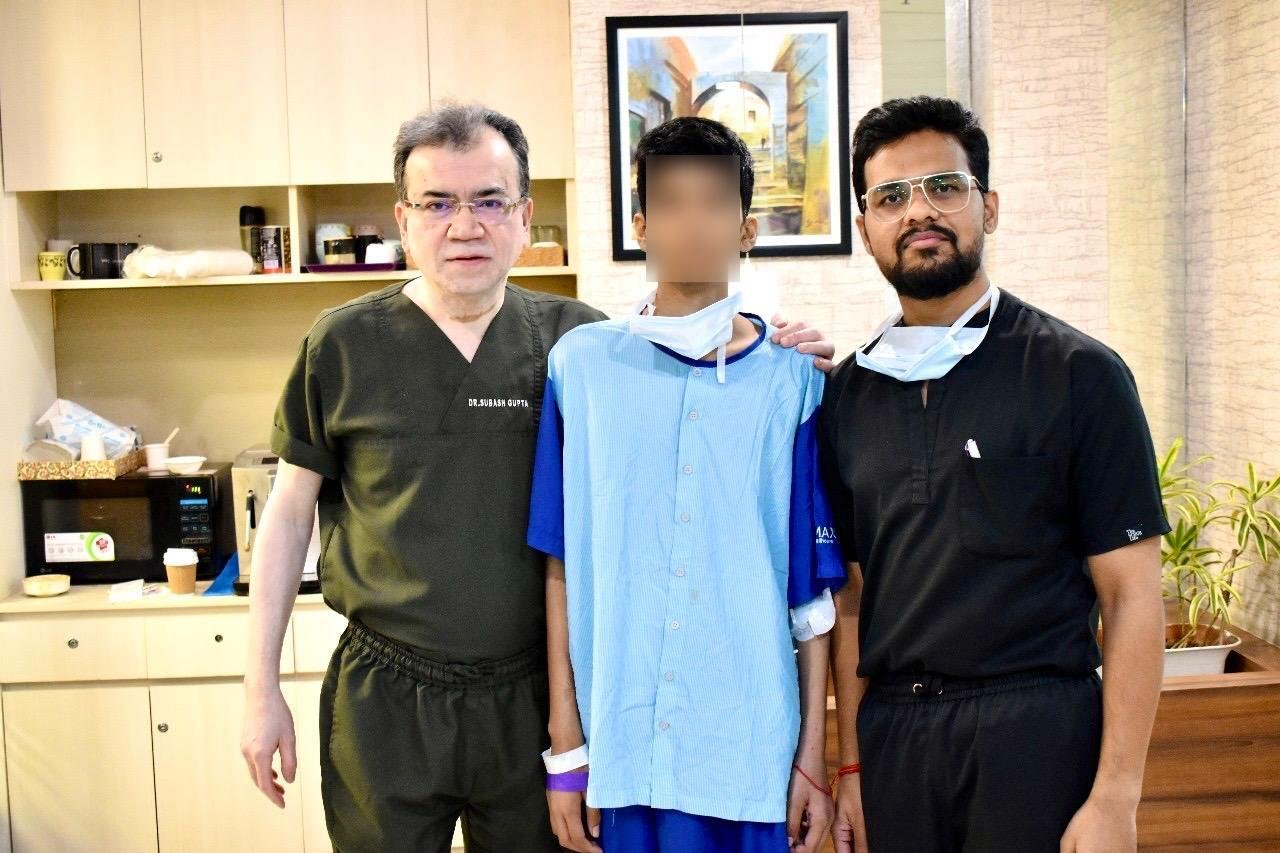
Pediatric Liver Transplant Care in Delhi NCR
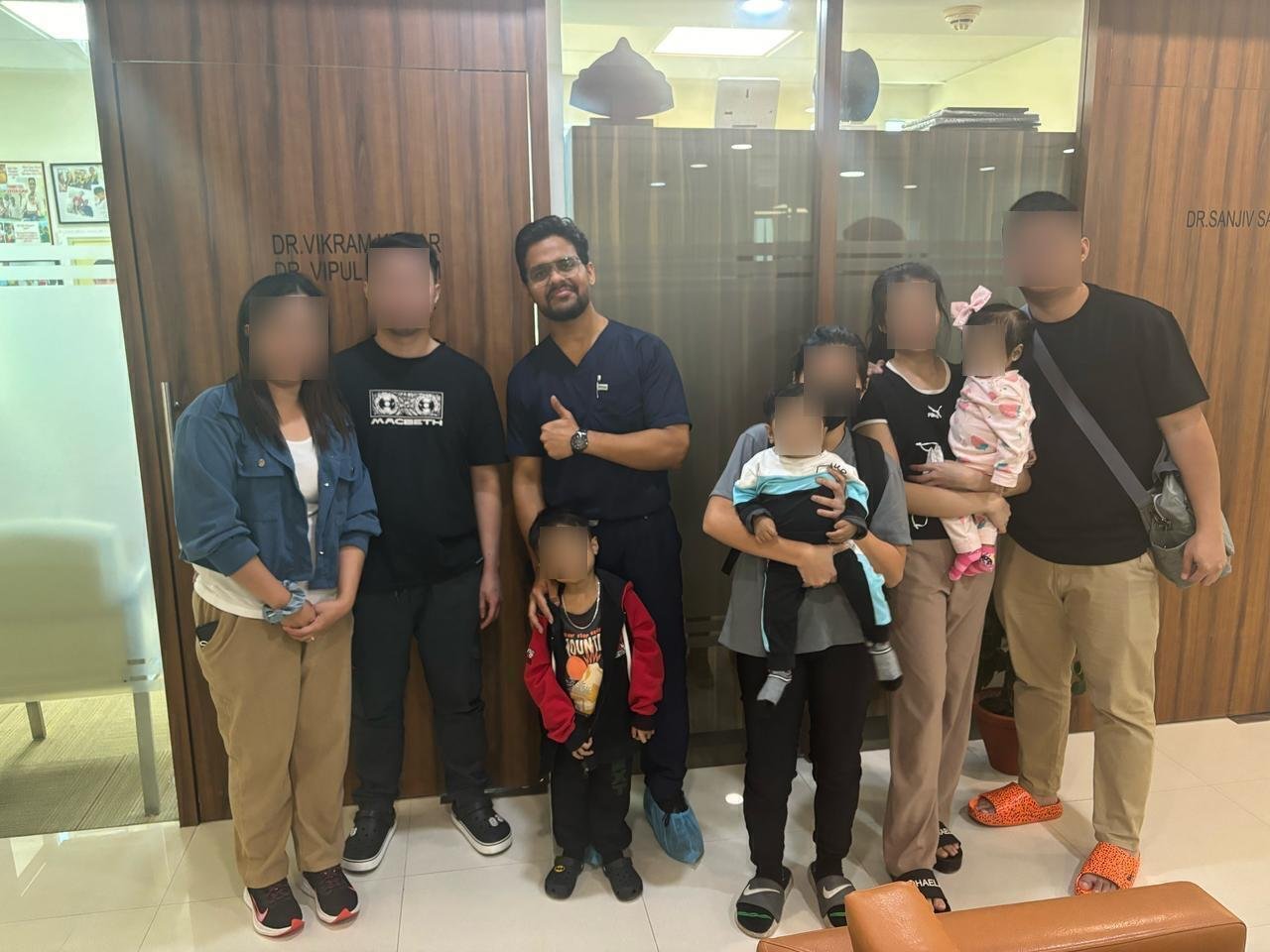
Dr Vipul Gautam is a pediatric gastroenterologist and hepatologist with expertise in pediatric liver disease and liver transplantation, providing specialised care for children with complex liver conditions. He is well trained pediatric hepatologist (DM degree) from a prestigious institute of liver and biliary sciences, New Delhi. He upgraded his liver transplant skills by pursuing a clinical fellowship in transplant pediatric critical care at National center for child health and development, Tokyo, Japan. Currently working as a senior consultant at Max Centre for Liver and Biliary Sciences at Saket, New Delhi.
Families from Delhi NCR region and nearby areas, including Gurgaon (Gurugram), Noida, Faridabad, Ghaziabad, Vaishali, etc. may seek specialist OPT/IPD evaluation for conditions such as childhood liver disease, biliary atresia, acute liver failure, genetic liver disorders and children who may require liver transplantation. He is available at saket and vasant Kunj clinic.
The focus is on understanding each child’s condition, making the family understand the problem, optimising the child before transplantation when required, supporting the family through the transplant process and providing structured long-term follow-up after liver transplant. There are also NGOs that help the families in arranging the necessary logistics.